There's Too Much Plastic In My Shopping Cart!
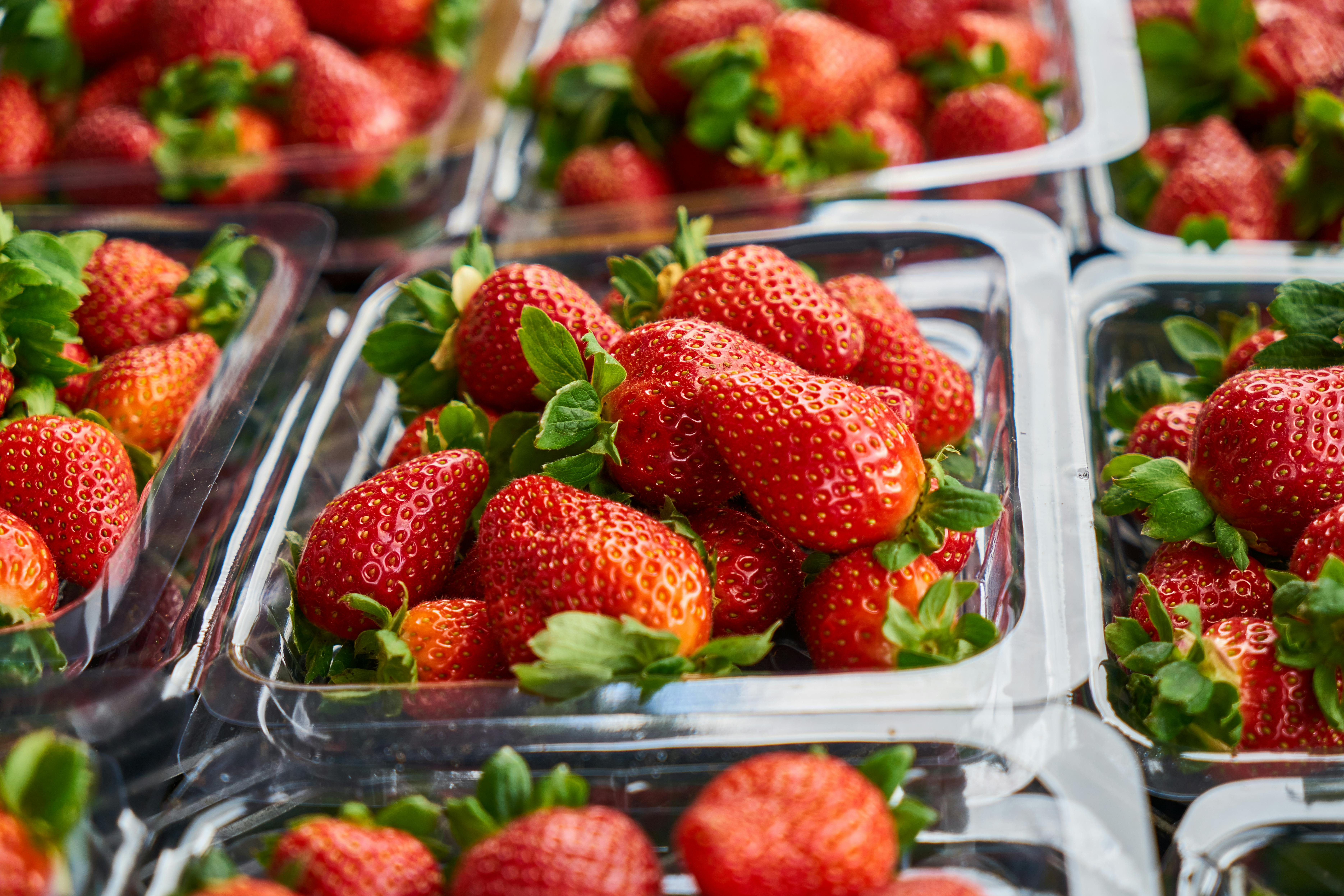

Do you find yourself discouraged by the amount of plastic in your cart whenever you go to the grocery store? You’re not the only one. In January, a group of 20 Winnipegers gathered in the Eco-Centre boardroom to watch a CBC Marketplace Documentary on why buying plastic free groceries is so hard. We enjoyed a plastic-free lunch and shared ideas with each other about how to reduce plastic waste in our own lives. During the collaborative discussion, the four main concerns we identified regarding excessive plastic waste were:
- Plastic is made from non-renewable fossil fuels.
- What will our future world look like if we continue to pollute at this rate?
- What is the health impact of all the micro-plastics that are now entering our bodies?
- We’re not involved in (and often unaware of) the entire life-cycle of the plastic waste.
Plastic waste eventually breaks down into micro-plastics, but never fully biodegrades. This means that the micro-plastic waste in your shopping cart will be around forever. There’s so much plastic waste that recycling our way out of the mess is not an option either. Even when it is recyclable, it’s important to remember that resources are still going into producing the plastic and recycling it into something else. Reducing is always better than recycling.
Are you currently thinking, “Yes, yes. I know plastic waste is bad. But it’s also impossible to avoid!” Policy changes (both legislative and in grocery stores) are going to be important as we transition to plastic-free shopping. But in the meantime, don’t be discouraged. The group of go-getters who gathered for our plastic free lunch came up with some suggestions for you to try as you work towards reducing plastic waste while grocery shopping:
1) Always bring your own produce bags and bulk bags (or jars) to the grocery store
- Don’t forget, bananas, oranges, and many other fruits come in their own natural packaging (their peels!).
- See if there are any bulk options at your local grocery store.
2) Eat local, and eat seasonally
- Eating locally and seasonally means you can get your fruits and vegetables directly from the farm. Not only are you avoiding the unnecessary packaging that comes with purchasing the food from a grocery store, but you’re also helping the environment by reducing the emissions coming from food transport.
- Bring your own bag to your local farmers’ market to pick up fruits and vegetables directly from the farmer. Alternatively, sign up for a CSA and get a portion of vegetables every week!
- Can, dehydrate, and preserve your summer foods to help ensure you have plastic free options throughout the winter as well.
3) Support businesses that are making efforts to reduce plastic waste
- Tell cashiers and management you appreciate and have noticed their efforts.
4) Talk to your local grocery store about your frustration with the excessive amount of plastic waste they are producing
- Tell them (both in-person to management and via a letter to head offices) why reducing plastic is important.
Hosting an event and wondering where to get ingredients for a plastic-free lunch? We brought our own container to local Winnipeg shops and filled them with cookie ingredients (Bulk Barn), quinoa for salad (Bulk Barn), sandwich meat (DeLuca’s), cheese (The Cheesemongers Fromagerie), bread (Pennyloaf Bakery), veggies (Organic Planet), dips (Blady Middle Eastern), and coffee (Bulk Barn). Despite our efforts, there was still plastic waste from the sheets which DeLuca’s used to weigh the meat, the plastic seal that wrapped our jar of mayonnaise, and the stickers that were on all the vegetables.
ACTIVITY TIME: Most people have two or three waste bins in their kitchens (garbage, recycling, compost). Try adding one specifically for plastic waste. It’s extremely eye opening to see just how much of the waste in your trash is plastic!
More Resources
More Blog Posts
More Events
Other Presentations/Workshops