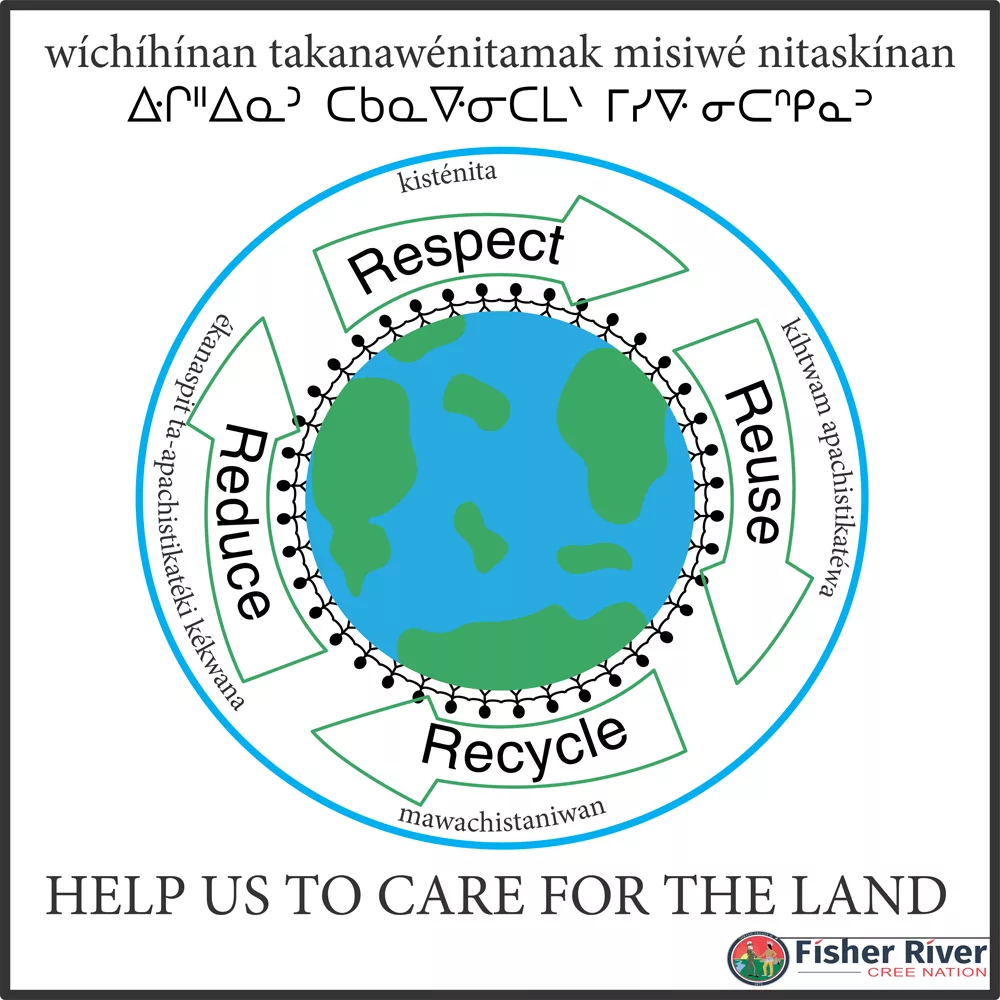
Starting a waste reduction program is easier to do with support from all levels – Chief, Council, landfill staff, teachers, and community members. It’s also more likely to be successful and last over time.

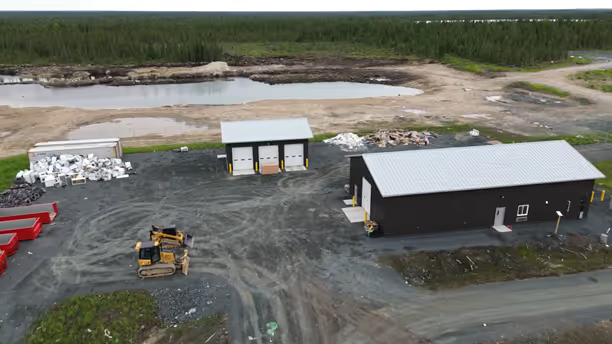
Within your landfill or transfer station are a variety of materials that can or should be removed. Some are hazardous and toxic while others can be reused or recycled.
There are many environmental, economic and health benefits for your community when waste sites are effectively managed. Optimizing the operations of your community’s waste site leads to a more sustainable, more prosperous and healthier community.
Removing electronic waste from your landfill helps protect the environment and community health from dangerous materials contained in the e-waste.
Removing electronic waste from your landfill helps protect the environment and community health from dangerous materials contained in the e-waste.
Consumer batteries are among the easiest materials to collect in yourcommunity for recycling. Call2Recycle will cover the cost of shipping consumer batteries from your community if you become a collection partner and follow their guidelines.
Consumer batteries are among the easiest materials to collect in yourcommunity for recycling. Call2Recycle will cover the cost of shipping consumer batteries from your community if you become a collection partner and follow their guidelines.
The Indigenous Zero Waste Technical Advisory Group (IZWTAG) offers training and resources to First Nations to implement zero waste systems within their communities.
The Indigenous Zero Waste Technical Advisory Group (IZWTAG) offers training and resources to First Nations to implement zero waste systems within their communities.
There is no registration required with an industry stewardship organization for composting. However, there are multiple good resources available to help you and your community choose the right method for composting.
There is no registration required with an industry stewardship organization for composting. However, there are multiple good resources available to help you and your community choose the right method for composting.
Intended for First Nation schools, this presentation provides a basic understanding for high school students about Traditional Ecological Knowledge, its role in protecting the environment, and how that knowledge is connected to Indigenous worldviews. This includes an overview of current waste practices in various First Nation communities around Manitoba and examples of how communities are making changes to live more sustainable ways of life to ensure there's a healthy planet for the next seven generations. Students will learn actions they can take to respect the environment.
Intended for First Nation schools, this presentation provides a basic understanding for high school students about Traditional Ecological Knowledge, its role in protecting the environment, and how that knowledge is connected to Indigenous worldviews. This includes an overview of current waste practices in various First Nation communities around Manitoba and examples of how communities are making changes to live more sustainable ways of life to ensure there's a healthy planet for the next seven generations. Students will learn actions they can take to respect the environment.
As a follow up to the presentation, we will play an environmental version of Jeopardy for the students to put into practice what they just learned.
As a follow up to the presentation, we will play an environmental version of Jeopardy for the students to put into practice what they just learned.
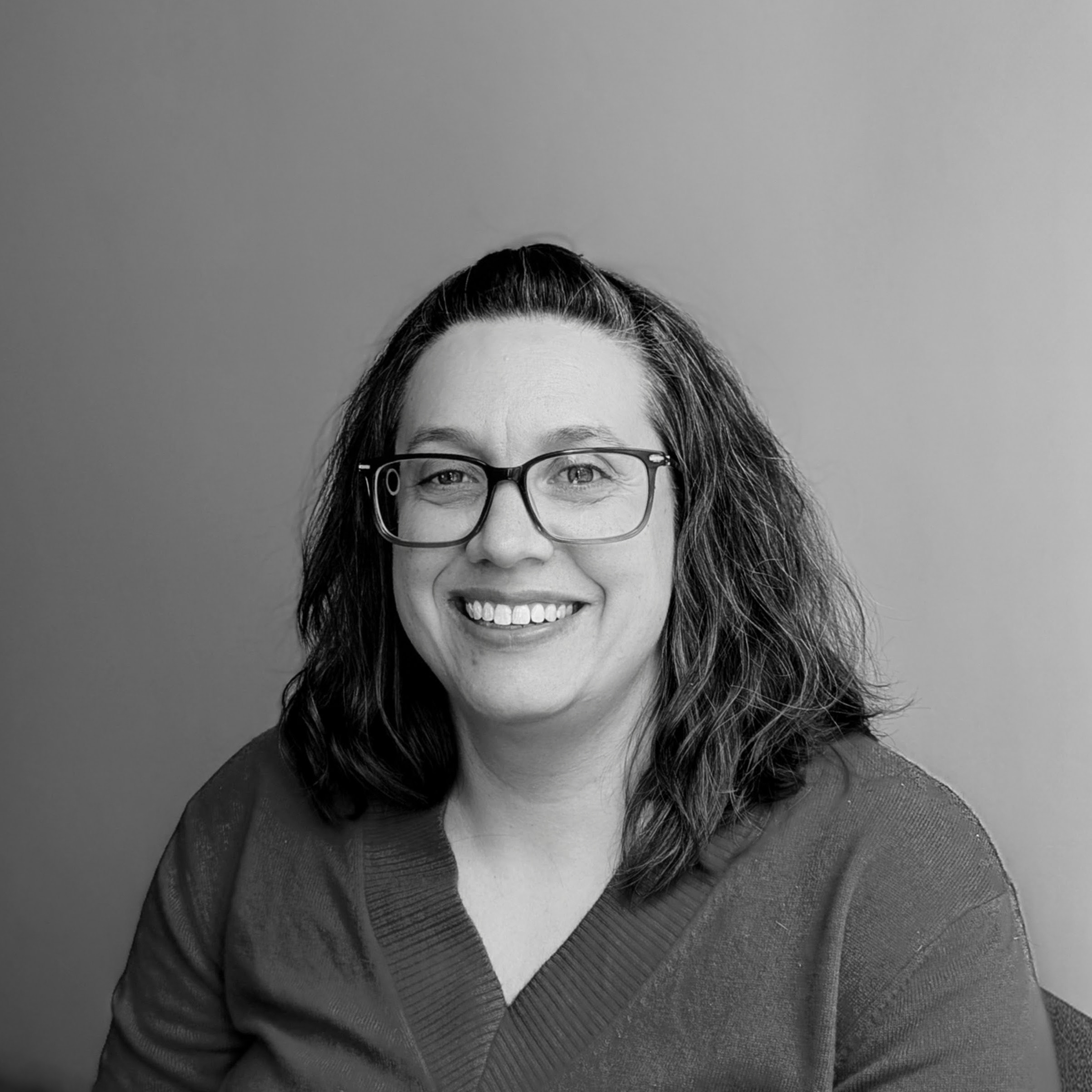
Program Manager
First Nations Waste Minimization Program

Winter Road Recycling Project Coordinator
First Nations Waste Minimization Program
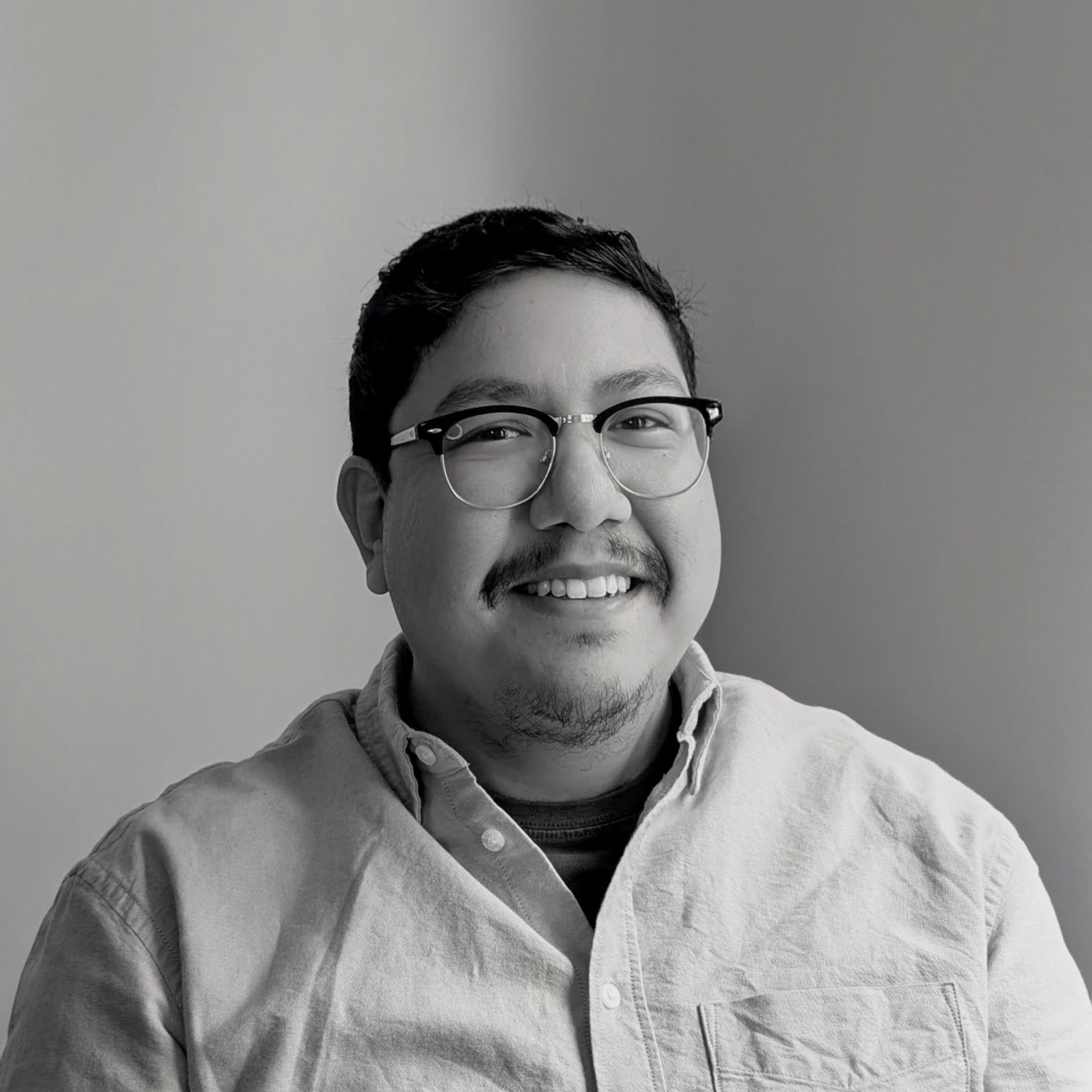
Community Pathfinder
First Nations Waste Minimization Program
300-286 Smith St.
Winnipeg, MB Canada R3C 1K4
Copyright © 2025 • Privacy Policy •
Charitable Registration Number: BN: 107878415RR0001
Our office is located on Treaty 1 Territory and the homeland of the Métis Nation, and the water we drink comes from Shoal Lake First Nation. The work we do both virtually and in-person expands across Treaties 1, 2, 3, 4, and 5.